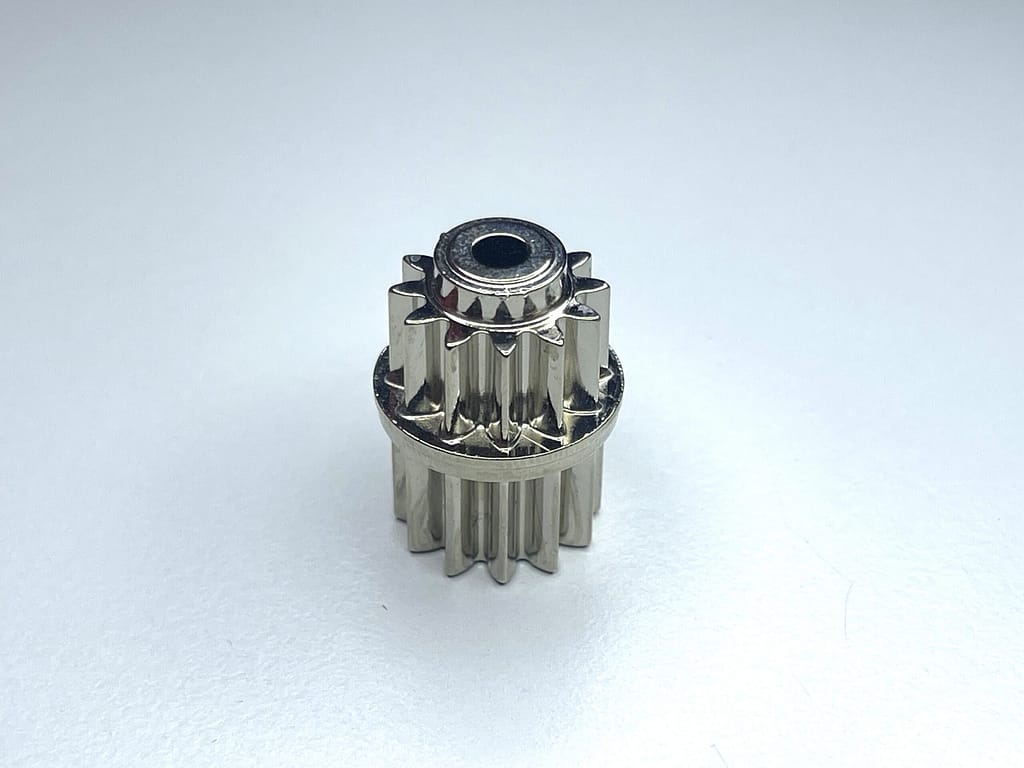

Zamak Melting Temperature in Die Casting: Complete Technical Guide

← Back to articles ALLOYS & MATERIALS  ·  19 May 2026 Zamak Melting Temperature in Die Casting: Complete Technical Guide Solidus, liquidus, injection temperature 440–460 °C and a comparison of ZP3, ZP5, ZP2 and ZP8 alloys to EN 12844. The melting temperature of zamak in zinc die casting is the thermal parameter that defines the […]

Zamak Melting Temperature in Die Casting: Complete Technical Guide Read More »
Anodizing Zamak: Why It Doesn’t Work and Which Plating Alternatives to Choose

← Back to articles SURFACE FINISHING  ·  19 May 2026 Anodizing Zamak: Why It Doesn’t Work and Which Plating Alternatives to Choose Why anodizing is not viable on zamak and which certified electroplating treatments deliver protection, aesthetics and RoHS compliance. Requests to anodize zamak components reach our engineering team on a regular basis — typically

Anodizing Zamak: Why It Doesn’t Work and Which Plating Alternatives to Choose Read More »

Mechanical Properties of Zamak Alloys in Zinc Die Casting: Technical Guide

← Back to articles Alloys & Materials  ·  19 May 2026 Mechanical Properties of Zamak Alloys: A Technical Guide for Zinc Die Casting Tensile strength, hardness, elongation and performance characteristics of ZP3, ZP5, ZP2 and ZP8: EN 12844 and ASTM B86 data to help you select the right alloy for zinc die casting. Selecting a

Mechanical Properties of Zamak Alloys in Zinc Die Casting: Technical Guide Read More »

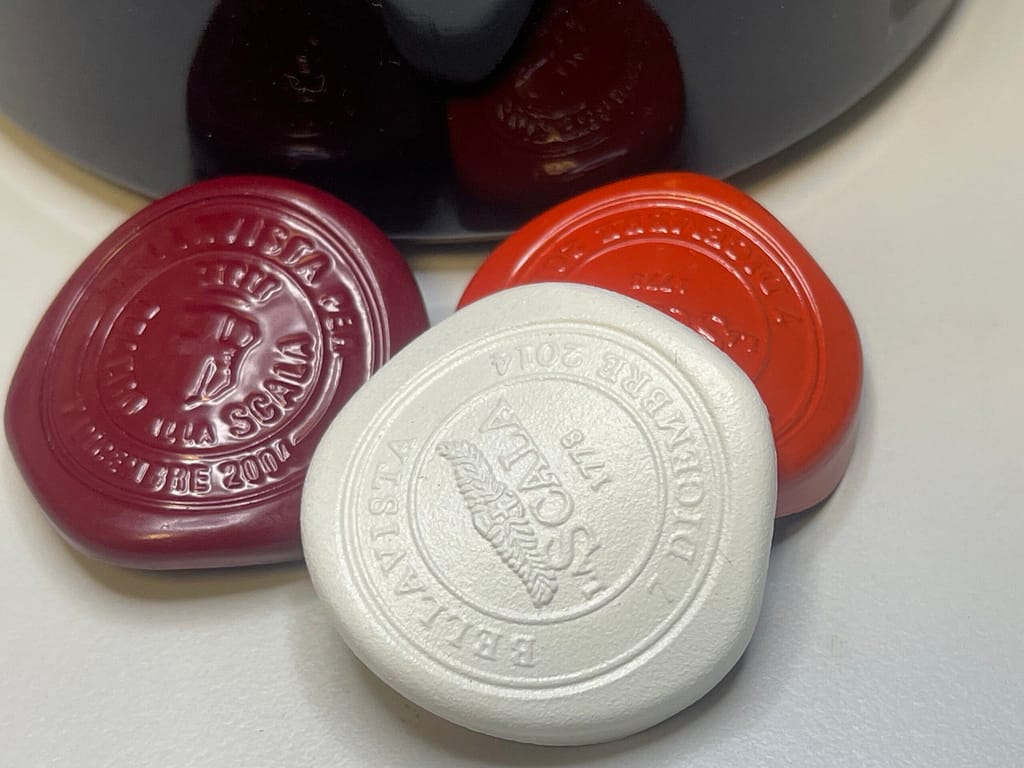
Tappi decorativi in zama con diverse finiture galvaniche e verniciatura - Micrometal

How to Choose the Right Zamak Alloy: ZP3, ZP5, ZP2, ZP8 by Application

← Back to all articles Technical Guide  ·  April 2, 2026 Looking for the detailed numbers? See our technical guide to the mechanical properties of Zamak alloys — tensile strength, hardness and EN 12844 data. Complete Engineering Reference for Zamak ZP3, ZP5, ZP2 and ZP8 Alloys Master the technical properties and optimal applications for each

How to Choose the Right Zamak Alloy: ZP3, ZP5, ZP2, ZP8 by Application Read More »

Scroll to Top